Overview
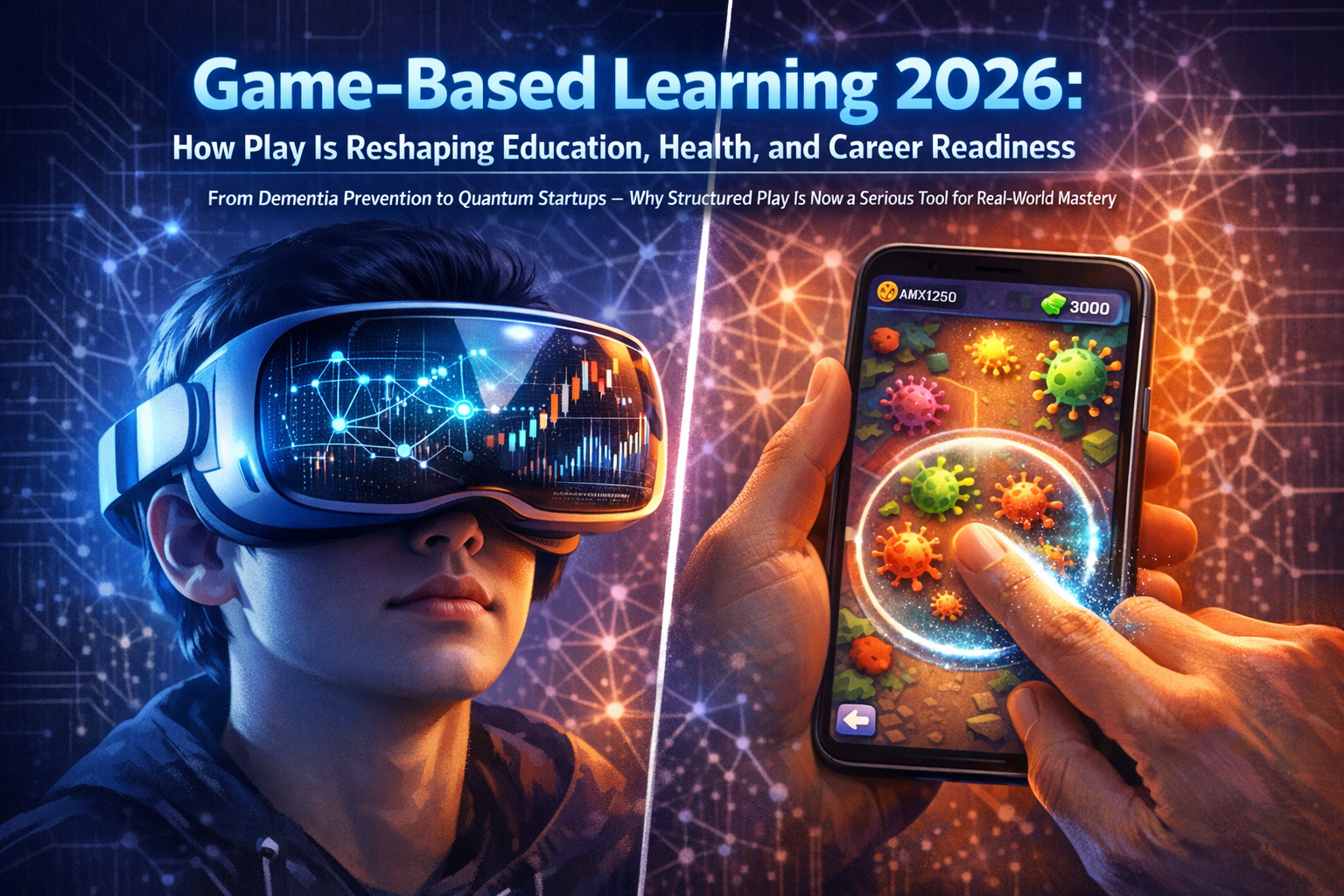
The classroom is no longer confined to desks and chalkboards. In 2026, learning is happening inside virtual fire escapes, quantum computing startups, and mobile disease outbreaks—all through the power of play. Game-based learning (GBL) has evolved from a classroom novelty into a serious educational engine, driving measurable outcomes in health, finance, science, and safety. And this isn't just about engagement—it's about transformation.
Why Game-Based Learning Is More Than Just Fun
Let's be clear: today's educational games aren't about earning points or unlocking badges for the sake of it. They're designed with precision—to simulate real-world systems, reinforce decision-making under pressure, and build long-term cognitive resilience. The latest research and product launches show that when gameplay is structured with clear learning objectives, it doesn't just entertain—it changes behavior, improves retention, and even reduces health risks.
Cognitive Health: Games That Fight Dementia
One of the most compelling developments this year comes from the world of brain training. Recent research published in peer-reviewed studies found that older adults who regularly used cognitive training apps saw a 25% reduction in dementia risk over three years. The key? Targeted speed-of-processing exercises that challenge the brain in ways traditional activities don't. This isn't just "mental gymnastics"—it's clinical-grade cognitive intervention delivered through intuitive gameplay. As researchers continue to track long-term outcomes, it's becoming clear that consistent, adaptive play can reshape cognitive trajectories in aging populations.
Financial Literacy Through Storytelling
Money management doesn't have to be dry. New financial education games are turning personal finance into narrative-driven mentorship experiences. Students step into the role of guiding a friend through real-life money decisions—weighing debt, understanding interest, and planning for long-term goals—all within a 60-minute classroom session. These games are designed with ready-to-use educator resources and include comprehensive coverage of financial concepts. By embedding financial lessons in relatable stories, students don't just memorize formulas—they internalize consequences and develop decision-making skills they'll use for life.
Public Health Meets Mobile Gaming
Imagine learning about zoonotic diseases by surviving a viral outbreak on your phone. That's exactly what new public health mobile apps offer—turning disease education into a fast-paced survival challenge. Designed for middle and high schoolers, these games make learning about hygiene, vaccination, and outbreak prevention engaging and memorable. As players level up, they unlock lessons on real public health concepts. Even better? Apps with dynamic backends can add new levels in response to real-world health events, thanks to collaboration with public health agencies and CDC-backed funding.
Quantum Physics? Try Managing a Startup
Yes, you read that right. New strategy simulations let players run virtual quantum computing companies—allocating resources, developing technology, and even applying real quantum algorithms. Developed by physics students and faculty, these games are free and actively invite player feedback to improve both gameplay and educational value. It's not just a simulation—it's a sandbox for future quantum engineers to explore complex concepts through hands-on problem-solving.
Fire Safety, Reimagined
For K–12 students, safety training just got immersive. New fire safety games use advanced game engines to simulate realistic house fire scenarios. Players make split-second decisions while navigating dangerous situations, guided by accurate safety protocols and professional voice acting. These games are being installed in museums and will be available for free classroom download. It's not just about learning what to do—it's about practicing under pressure, where mistakes have no real-world cost but teach valuable lessons.
The Bigger Picture: Impact Over Engagement
What ties all these innovations together? A shift from "time spent in-app" to "measurable life outcomes." Whether it's reducing dementia risk, improving financial decision-making, or teaching life-saving fire responses, today's game-based learning tools are built to deliver tangible results. Educators and developers are no longer asking, "Is this fun?"—they're asking, "Does this change behavior? Does this save time? Does this save lives?" This focus on real-world impact is what separates modern educational games from entertainment-first experiences.
Looking Ahead: The Future of Play in Learning
The game-based learning market continues to expand as institutions recognize the power of structured play. With innovations in AI-driven personalization, VR simulations, and real-time data feedback becoming more accessible, the line between "game" and "training tool" is blurring. Academic conferences and research initiatives are pushing the field toward greater innovation, inclusivity, and measurable impact.
If you're an educator, developer, or policymaker, now is the time to explore how structured play can solve real problems. Because in 2026, the most powerful learning tools aren’t in textbooks—they’re in apps, simulations, and stories that turn players into problem-solvers, decision-makers, and lifelong learners. The future of education isn’t just gamified—it’s game-changed.
Share:
AI in Schools: Are We Transforming Learning — or Just Playing Back the Same Old Lessons?
How UC Clermont Is Making College Affordable with Open Education Resources